Is Your Acrylic Board Too Flimsy? How to Choose the Right Thickness Before You Order

A sign that bows in the middle or rattles on its fixings never looks professional, no matter how good the artwork is. Thickness is the quiet detail that decides whether a printed panel feels solid or flimsy, yet many buyers choose it last, or leave it to guesswork. A few simple questions about size, location and fixing method can prevent costly reorders. This guide explains how each common thickness behaves, what warning signs to look for, and how to match the right option to your own space before you order.
Why Thickness Matters More Than You Think
Acrylic is a rigid plastic, but rigid does not mean unbendable. Every sheet flexes a little under its own weight, and the larger the panel, the more obvious that movement becomes. A thin sheet stretched across a wide area will sag, ripple or reflect light unevenly, which makes printed colours look distorted.
Thickness also affects how a sign feels in the hand. A solid panel gives an impression of quality before anyone reads a word. A flimsy one suggests the business has cut corners, even if that was never the intention.
Common Thickness Options Explained
Most printed signs fall into a handful of standard thicknesses:
- 2mm to 3mm: Light and economical, suited to small signs, door plates and indoor labels.
- 4mm to 5mm: A sensible middle ground, offering noticeably more stiffness without excessive weight.
- 6mm to 10mm: Heavy-duty options for large displays, exposed sites and premium installations.
When people talk about a standard acrylic board, they are usually weighing these steps against each other. The right answer depends far more on the panel’s size and position than on personal preference.
Warning Signs That a Panel Is Too Thin
You do not need to be an expert to spot an under-specified sign. Watch for these problems:
- Visible bowing. The surface curves between the fixing points.
- Wobble when touched. The panel moves or vibrates with a light tap.
- Wavy reflections. Lights and windows look warped across the surface.
- Cracks near the holes. Stress gathers around drilled points on weak sheets.
- Corner lift. Edges peel away from the wall or frame.
If any of these appear on a sample or an earlier sign, increasing the thickness is usually the simplest fix.

When a Thicker Sheet Makes Sense
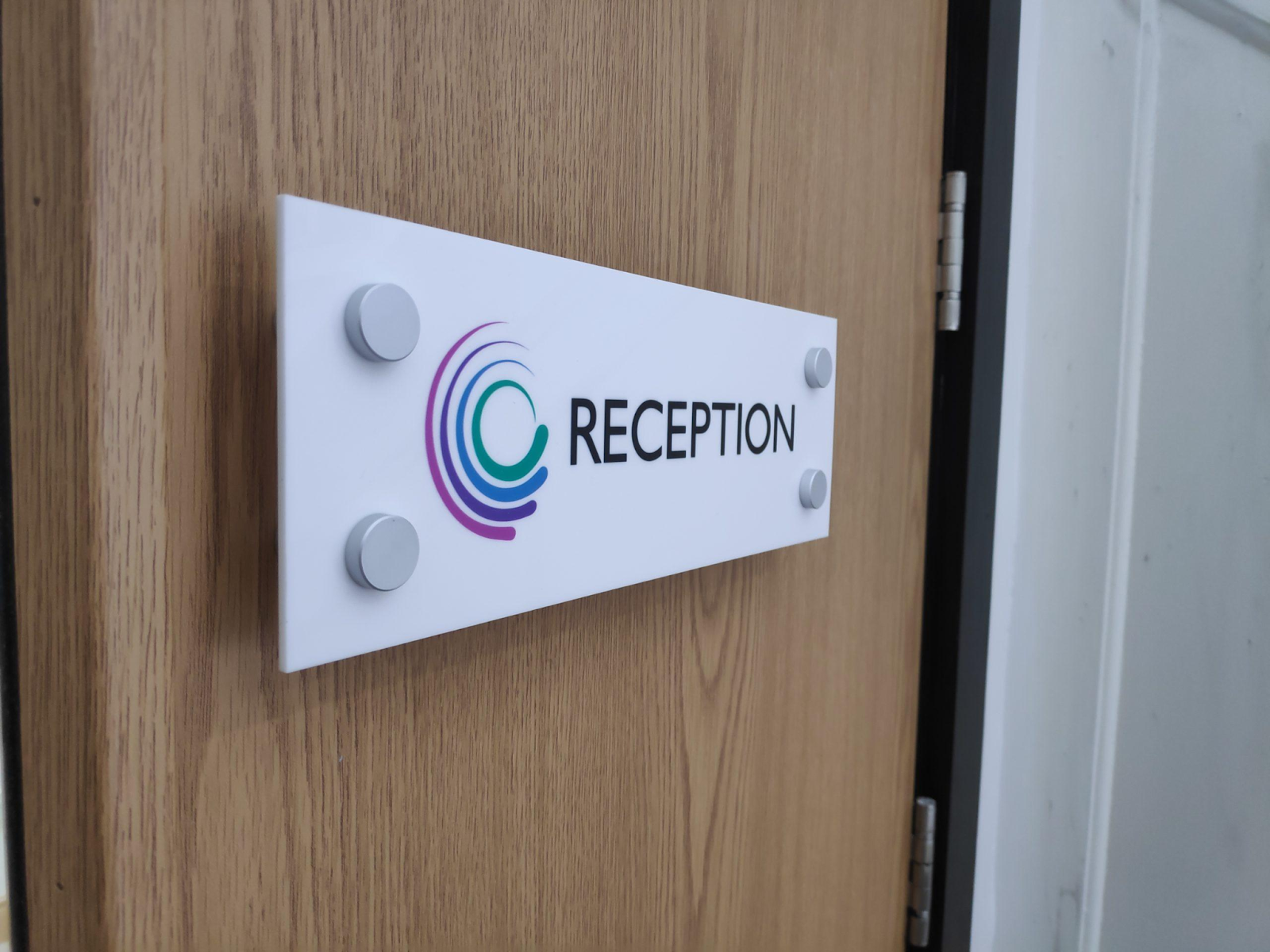
Larger signs and busy locations call for extra stiffness. A 5mm acrylic sheet is a popular upgrade for reception walls, shopfront displays and wayfinding panels, because it holds a flat, clean surface across a wider span. It also resists accidental knocks better than lighter options, which matters in corridors, schools and retail spaces where people brush past all day.
Thicker material also gives you more freedom with edges. Polished or squared edges look sharper on a more substantial panel, and that crisp finish helps premium branding stand out.
Matching Thickness to Where the Sign Will Live
Think about the environment before choosing. A small label inside a quiet office has very different needs from a large panel on an exterior wall.
Indoors, thinner sheets often work well for small formats, provided the fixings are sensible. Outdoors, wind, temperature changes and general wear justify a sturdier choice. If you want a broader view of how material decisions affect appearance and durability, this article on why acrylic suits modern business signage looks at the benefits businesses gain from choosing it for their displays.
Position matters too. A panel mounted at head height is more likely to be touched than one placed above a doorway, so extra thickness can be worth the small additional cost.
Size, Span and Fixing Methods
Panel size and fixing method work together. The wider the gap between fixing points, the more a sheet can sag. Using more fixings, or choosing a thicker sheet, reduces that movement.
Common methods include:
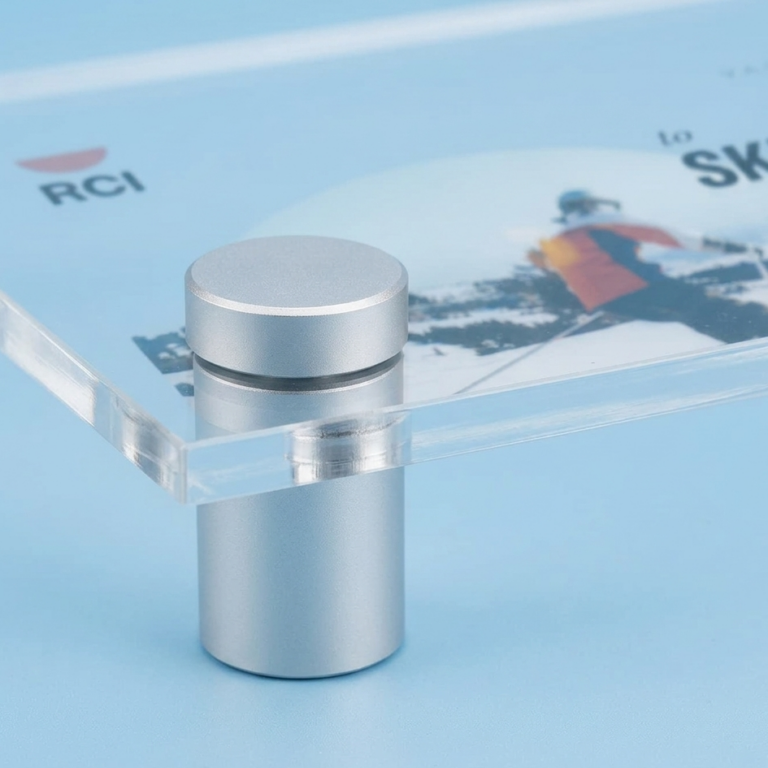
- Standoff fixings: Metal or plastic barrels that lift the panel slightly off the wall for a modern look.
- Adhesive tape or pads: Suitable for lighter, smaller signs on smooth surfaces.
- Frames or channels: Support the edges evenly, which helps larger panels stay flat.
Always allow a little room for expansion when drilling, particularly outdoors, since plastic moves slightly as temperatures change. A well-chosen acrylic board that is fixed too tightly can still crack, so the method deserves as much thought as the material.
Weight, Handling and Budget
Thicker sheets weigh more, which affects delivery, installation and wall strength. A large heavy panel may need two people to lift and stronger fixings to hold it safely. Check that your wall can support the load before ordering.
Cost rises with thickness as well, but the difference is often smaller than people expect compared with the price of replacing a sign that failed. Choosing a 5mm acrylic sheet for a busy location can be cheaper in the long run than reprinting a thinner panel twice.
A Few Questions Before You Order
Before placing an order, run through these questions:
- How large will the sign be, and how far apart are the fixing points?
- Will it be indoors, outdoors or in a sheltered spot?
- How often will people touch or pass close to it?
- Can the wall or frame support the weight?
- Do you need polished edges for a premium finish?
- How long should the sign last?
Answering these honestly will usually point to a clear thickness. If two options seem equally suitable, ask for samples and compare them in your own lighting, because a real panel in your hand reveals more than any specification. For larger or unusual projects, a short conversation with your printer about the acrylic board you have in mind can save time, money and frustration.
Final Thoughts
Choosing the right thickness is less about spending more and more about matching the panel to its job. Think about size, position and fixing method, then check samples or ask questions before committing. A small amount of planning at this stage protects your artwork, your budget and your reputation. If you would like friendly advice on sizes, finishes and printing options, Board Printing Company can talk you through the choices so your next order arrives solid, crisp and ready to install. Get it right once, and it will last.

Comments
Post a Comment