Correx Boards vs 3mm Acrylic: Which Printed Sign Survives a British Winter Better?
British winters are tough on anything left outside. Rain, frost, wind and short grey days all take a toll, and a business sign must stay sharp through every one of them. If you are choosing between correx boards and acrylic for your next outdoor display, the material you pick matters more than most people expect. This guide explains how each option behaves in cold, wet conditions, where each one works best, and how to look after it, so you can decide with confidence before the next big winter storm arrives.
Why Winter is the Real Test for Printed Signs
A sign that looks great in June can fall apart by January. In the UK, outdoor signage faces several stresses at once:
- Constant moisture: Rain, drizzle and fog soak into anything that is not properly sealed.
- Freeze-thaw cycles: Temperatures swing above and below zero, making materials expand and contract.
- Strong winds: Autumn and winter storms put heavy pressure on boards fixed to fences, railings or frames.
- Low light: Dull weather makes faded or reflective prints harder to read.
Any material you choose should handle these conditions without warping, cracking or losing its colour.
What Makes Fluted Plastic Sheets So Popular?
Correx is a fluted sheet made from polypropylene. Its hollow, ribbed centre keeps it light while still giving it good rigidity. Because the material is plastic, it does not absorb water, so it will not swell, rot or peel the way paper-based boards do.
That is why shops, estate agents and event organisers rely on it for outdoor notices. If you want a closer look at the practical side, this Medium article on why this lightweight plastic suits business signage covers common business uses in more detail.
Strengths in winter:
- Fully waterproof and unaffected by rain
- Lightweight, so it is easy to fix and replace
- Flexible enough to absorb knocks without cracking
- Affordable, which suits short-term or seasonal campaigns
Possible drawbacks:
- A softer surface that can scratch over time
- A less premium look than rigid materials
- Large panels can flap in strong wind if not fixed securely
What Is Acrylic Like Outdoors?
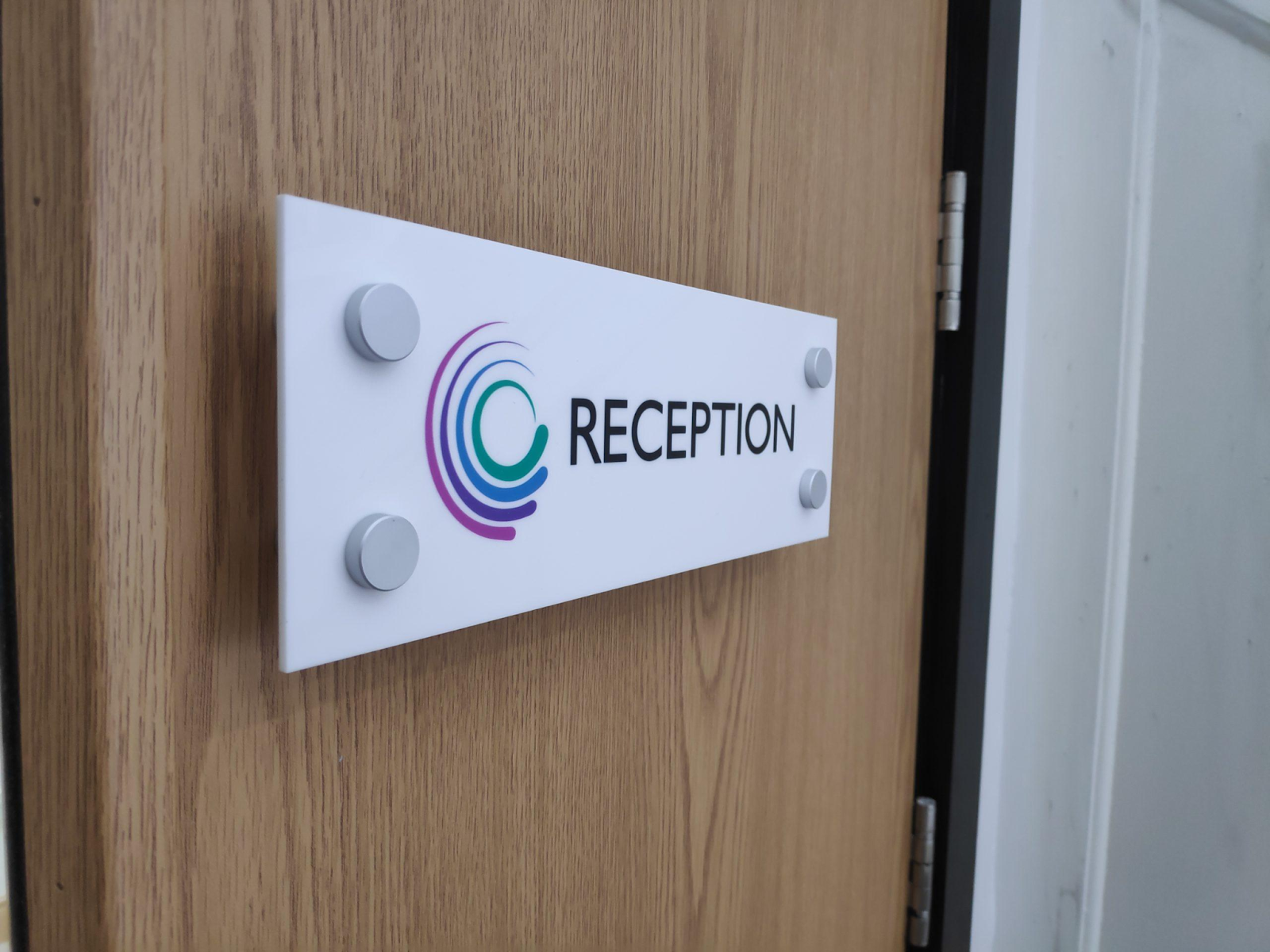
Acrylic is a rigid, glass-like plastic known for its clean, polished finish. A 3mm acrylic panel gives you a smooth, professional surface where print colours look vivid and crisp. It is a popular pick for reception signs, shop entrances and branded nameplates.
Acrylic is also weather resistant and does not absorb moisture. It holds its shape well, and its sharp edges give signage a high-end look. However, it behaves differently from flexible plastic when the temperature drops.
Head-to-Head: How They Compare in Cold Weather
Moisture and Rain
Both materials are waterproof, so rain will not seep into either one. The real difference lies in the fixings. Water can creep around poorly sealed screw holes, so use the right washers or adhesive whichever material you pick.
Frost and Freezing Temperatures
Fluted plastic stays flexible in the cold, so it tolerates frost without much trouble. Acrylic is more rigid and can turn brittle in sharp cold. A knock or an overly tight fixing in freezing weather may cause a crack. If you choose 3mm acrylic for an outdoor spot, leave a little room for expansion when drilling and mounting.
Impact and Wind
Flexible boards give way under pressure and bounce back, which helps in gusty conditions. Rigid panels resist bending but can crack on hard impact. For exposed sites such as fences or roadside frames, flexibility is often an advantage. This is one reason Correx boards are so common on building sites and country lanes.
Appearance and Print Quality
Acrylic wins on finish. Its glossy, polished surface suits premium branding. Fluted plastic has a more practical look with a slightly ribbed texture, but modern printing still produces bold, readable graphics. For temporary promotions, that is usually enough.
Cost and Replacement
Budget matters for most businesses. Fluted plastic is generally cheaper per panel, so replacing a damaged sign is painless. Acrylic costs more upfront but can last for years in a protected or semi-sheltered position.
Which One Should You Choose?
The best choice depends on where the sign will go and how long it needs to stay up.
For short-term promotions, building site notices, roadside signs and exposed fences, flexible fluted plastic is the sensible pick. It copes with wind, shrugs off rain and costs little to replace. For a sheltered entrance, a porch or long-term branding with a premium look, acrylic is the better fit because its polished surface stays attractive when protected.
For most winter campaigns and temporary displays, correx boards offer the best balance of toughness, flexibility and value. If you want a refined, lasting finish in a protected spot, acrylic is worth the extra spend.
Simple Tips to Make Any Winter Sign Last Longer
- Fix it securely. Use cable ties, screws with washers or strong adhesive suited to outdoor use.
- Avoid over-tightening. Rigid panels in particular can crack under tension.
- Choose weather-friendly colours. High-contrast designs stay legible in dull light.
- Clean gently. Use a soft cloth and mild soapy water to remove grime without scratching.
- Check regularly. After storms, inspect fixings and replace anything loose.
Following these steps helps a sign hold its look even when conditions turn harsh. It also protects a 3mm acrylic panel from avoidable stress cracks.
Final Thoughts
Neither material is simply better than the other. Flexible fluted sheets handle rough, exposed winter conditions at a lower cost, while acrylic delivers a refined finish wherever it can be sheltered. Think about location, budget and how long the sign needs to last before you decide. If you are still unsure which suits your project, the team at Board Printing Company can help you compare materials, sizes and finishes, so your signage stays clear, durable and professional through every single frosty morning and rainy winter afternoon this season and beyond.
Comments
Post a Comment